September 9, 2026
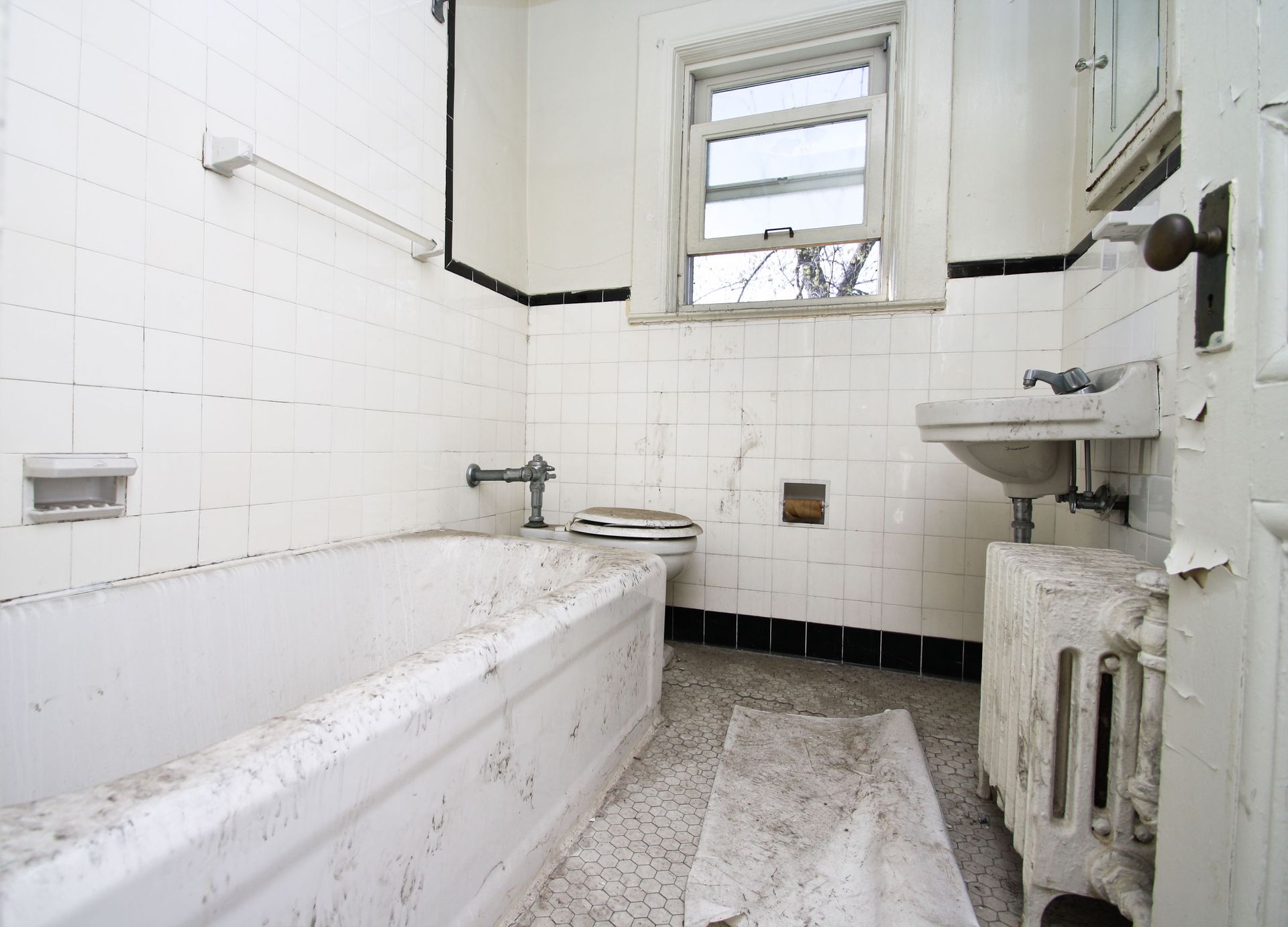
Bathroom remodeling can be an exciting way to improve comfort, functionality, and appearance, but it can also reveal problems that were impossible to see before construction began. Removing flooring, opening walls, or replacing fixtures may expose deteriorated pipes, water damage, outdated wiring, or weakened materials. These discoveries can affect both the budget and the schedule. For that reason, homeowners should approach renovation planning with realistic expectations and enough financial flexibility to respond to surprises without sacrificing the most important parts of the project.
Defining the Scope of the Remodel
A successful renovation begins with clearly defined goals. Homeowners should decide which features need to be repaired, which elements should be updated, and which improvements are primarily aesthetic. Establishing these priorities makes it easier to determine where the budget should be concentrated. A bathroom remodeling company can also help homeowners separate essential improvements from optional upgrades so that decisions remain aligned with the original purpose of the project.
Evaluating the existing bathroom is equally important. Plumbing fixtures, drains, electrical outlets, ventilation, flooring, walls, and cabinetry should be reviewed for signs of deterioration. Older bathrooms may contain systems that no longer meet current needs or standards. Although an inspection cannot uncover every hidden condition, it can reveal warning signs that deserve closer attention before demolition begins. This preliminary evaluation gives homeowners a more accurate picture of the likely project scope and helps reduce avoidable surprises.
Identifying Common Hidden Problems
Plumbing problems are among the most common issues uncovered during a renovation. Pipes hidden behind walls or beneath floors may be corroded, leaking, poorly connected, or made from outdated materials. Once these conditions are discovered, continuing with new finishes without repairing the underlying plumbing can create larger problems later. These deficiencies should be addressed before installing tile, vanities, or other finished surfaces that would make future access more difficult.
Water damage can also remain concealed for years. Slow leaks around tubs, showers, toilets, or supply lines may damage subflooring and wall framing without producing obvious symptoms in the finished room. When materials are removed, discoloration, soft wood, staining, or deterioration can indicate that repairs are necessary. Mold or mildew may also develop in persistently damp areas, especially where ventilation or waterproofing has been inadequate. According to This Old House, water damage repairs (24% of projects), mold remediation (18%), and structural repairs (22%) are the most common unexpected expenses homeowners encounter during bathroom renovations. Proper remediation and moisture correction are important before reconstruction moves forward.
Structural concerns can add another layer of complexity. Removing flooring or walls may reveal weakened framing, damaged joists, or previous alterations that were completed improperly. These issues may require additional labor and materials before planned improvements can continue. Electrical systems can create similar surprises, particularly in older homes where wiring, outlets, or circuits may need to be upgraded for safety and current code requirements.
Planning for Hazardous or Outdated Materials
Older homes may contain materials that require careful handling during demolition. Depending on the age and construction history of the property, renovators could encounter lead-based coatings, asbestos-containing products, or other substances that should not be disturbed casually. Testing and specialized removal may increase costs, but these steps can be necessary to protect occupants and workers. Professionals familiar with older properties can help homeowners understand when specialized evaluation may be appropriate.
Outdated construction methods may also complicate the project even when hazardous materials are not present. Previous repairs may have used nonstandard plumbing connections, inadequate waterproofing, or improvised framing. Correcting these conditions can require more work than simply replacing visible fixtures. Including room in the budget for corrective work makes it easier to address deficiencies properly rather than covering them with new finishes.
Building a Realistic Project Budget
A remodeling budget should include more than the visible cost of tile, fixtures, cabinets, paint, and labor. Permit fees, demolition, disposal, repairs, delivery charges, and temporary accommodations may also affect the final total. Homeowners should request detailed estimates and ask what is included, excluded, or treated as an allowance. Understanding these distinctions provides a clearer picture of how much the entire renovation may ultimately cost.
Contingency planning is especially important because bathroom projects involve plumbing, electrical systems, waterproofing, and structural materials located behind finished surfaces. Many homeowners reserve approximately 10% to 20% of the planned budget for unexpected conditions, although the appropriate amount depends on the home's age, condition, and project complexity. Working with a bathroom remodeling company to identify higher-risk areas can help homeowners choose a contingency amount that reflects the actual renovation rather than relying on an arbitrary figure.
Managing Cost Overruns Without Sacrificing Priorities
When unexpected repairs arise, homeowners may need to reconsider less essential selections. Premium finishes, decorative fixtures, custom accessories, or elaborate design features can often be adjusted without compromising the bathroom's basic safety and functionality. Plumbing repairs, waterproofing, ventilation, structural corrections, and electrical upgrades should generally take priority because deficiencies in these areas can lead to larger expenses in the future.
Creating a ranked list of wants and needs before construction begins can make these decisions easier. If the contingency fund is needed for hidden damage, the homeowner already knows which upgrades can be simplified or postponed. A bathroom remodeling company can often suggest alternative materials or design changes that preserve the overall look while reducing expenses. Making deliberate substitutions is usually preferable to choosing low-quality products simply because the project has exceeded its initial estimate.
Accounting for Schedule Changes
Unexpected conditions can affect more than the budget. Structural repairs, plumbing corrections, inspections, material orders, or specialty work may extend the renovation timeline. Homeowners should therefore avoid treating the original completion date as an absolute guarantee, particularly when renovating an older bathroom with limited information about what exists behind the walls.
Clear communication can reduce the disruption caused by delays. Contractors should explain what was discovered, why additional work is needed, how much it may cost, and whether it changes subsequent stages of the project. A bathroom remodeling company that uses clear change-order procedures can help ensure that both parties understand how unexpected work affects price, materials, and timing.
Using Contracts and Estimates Carefully
Before construction begins, homeowners should review the project agreement carefully. The contract should describe the planned scope, payment schedule, major materials, responsibilities, and procedures for handling changes. It should also clarify whether certain items are fixed-price components or allowances that may fluctuate depending on final selections. This information helps homeowners understand which costs are predictable and which may change.
Change orders deserve particular attention because they document work that falls outside the original scope. When a hidden problem is discovered, homeowners should understand the proposed solution and associated cost before authorizing additional work whenever circumstances allow. Written documentation can also help prevent disagreements over whether an additional expense was part of the original project or resulted from newly discovered conditions.
Prioritizing Safety and Long-Term Performance
Unexpected costs can be frustrating, but some discoveries create an opportunity to improve the bathroom's long-term reliability. Correcting poor ventilation can reduce persistent moisture. Replacing deteriorated plumbing can help prevent leaks. Improving waterproofing around showers and tubs can protect adjacent materials, while electrical upgrades can improve safety and accommodate modern fixtures.
A bathroom remodeling company can help homeowners evaluate which corrective measures should be addressed immediately and which improvements can reasonably wait. Instead of reacting to every discovery independently, homeowners can make decisions based on safety, potential future damage, budget impact, and the difficulty of completing the work after finished surfaces are installed. This approach helps direct limited resources toward improvements that provide the greatest practical benefit.
The strongest remodeling plans combine design goals with practical safeguards. By understanding the existing room, reserving funds for hidden problems, documenting changes, and protecting essential safety and structural work, homeowners can keep the project moving even when conditions change. Working closely with a bathroom remodeling company throughout planning and construction can provide additional guidance, helping the final renovation remain functional, durable, and financially manageable. Contact our team at All About Floors Plus today and learn more about our remodeling services.